Complete Living Room Styling Guide In USA 2026

Designing a home can feel overwhelming when you do not know where to start. Your home should be a place where you can relax and feel comfortable every day. Living room styling is key. It makes your space feel warm, functional, and beautiful. Small design choices can make a big impact. Fixing a bad layout matters. Blending furniture is key. Picking paint colors is important. Every detail counts. In this guide, you’ll find easy, practical tips to change your space stress-free.
What is Living Room Styling?
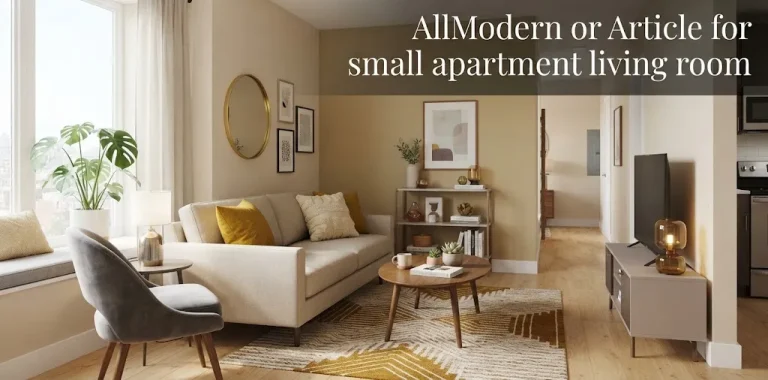
Living room styling is about arranging furniture, decor, colors, and lighting. This creates a welcoming and cohesive space. It’s not just about buying pricey things. It’s about making everything in the room fit together naturally.
For example, placing a soft rug under your coffee table helps. Adding a cozy throw blanket to your sofa makes it inviting. Also, hanging art at eye level completes the look. This all styles your living room nicely. It turns a plain room into a place that feels intentional and tailored to your lifestyle.
Why Living Room Styling is Important
Good living room styling improves how your home looks and how it functions every day. Here are a few key benefits:
- Enhances Room Use: Styling lets you set up seating for easy chats, TV time, or movement.
- Shows Your Style: The colors and textures you choose reflect your taste. Your decor items also reveal your lifestyle.
- Increases Comfort: Soft pillows and warm rugs make the space cozy. Good lighting adds to the inviting feel.
- Maximize Your Space: Smart layouts can make a small or dark room feel larger and brighter.
Complete Living Room Styling Guide In USA 2026

Designing a home can feel overwhelming if you don’t know where to start. But making a beautiful space is easier than it looks. Your home should be a place where you can relax and feel completely comfortable every day. Living room styling is key. It makes your space warm, functional, and organized. Small design choices can make a big impact. You can fix an awkward layout, blend furniture pieces, or choose the right paint colors. This guide gives simple tips. You can change your room easily. No stress involved!
How to style a dark green couch in living room
A dark green sofa is a bold, beautiful focal point that adds instant depth to your space. Style a dark green couch by balancing its deep color with neutral backgrounds. Use creamy white, warm beige, or light gray walls for a harmonious look. Combine it with natural materials. Use oak coffee tables, rattan accents, and brass light fixtures. This will give you a balanced, nature-inspired look.
For accessories, layer pillows with soft textures like bouclé or linen. Use shades of tan, rust, or off-white for variety. Pair a dark green velvet sofa with a light jute rug and a leather accent chair. This mix gives a balanced, stylish look that feels cozy, not heavy.
Warm minimalist living room ideas cozy style
Warm minimalism focuses on a clean, clutter-free space. It aims to feel cozy and inviting. Focus on soft, warm neutral shades instead of stark white walls. Use colors like oatmeal, ivory, and soft taupe for a cozy feel. Add interest through texture, not color. Use chunky knit throws. Try woven baskets for storage. Include slatted wooden accent walls.
Select furniture with rounded edges and simple shapes. This will help the room feel soft and spacious. Pair a low-profile linen sofa with a round travertine coffee table. Add a soft wool rug for a peaceful, uncluttered look that feels warm and comfy.
What color curtains go with grey walls and brown furniture
To match window treatments with cool gray walls, use warm tones. Brown furniture is warm, so balance the two. Warm white, ivory, or oatmeal linen curtains are great choices. They soften gray walls and reflect the natural warmth of brown leather or wood furniture.
For a subtle contrast, try light greige or soft dusty blue curtains. They go well with gray undertones and nicely contrast rich wood tones. Avoid heavy black or bright white curtains, which can look too harsh. Hanging cream curtains high and wide brighten a gray room. A brown leather sofa sits below. Together, these elements tie the room together.
Best farmhouse paint colors for dark rooms
Dark rooms with little natural light need bright paint colors. These colors can reflect light well, making the space feel warmer and inviting. The best farmhouse paint colors for dim spaces are warm whites and soft greiges. Look for shades with yellow, peach, or cream undertones. Colors like Benjamin Moore’s Alabaster and Sherwin-Williams’ Shoji White brighten a space. They also keep it warm and cozy.
If you prefer a darker, moody vibe, embrace the lack of light with rich sage greens or warm warm taupe shades. Avoid cool, icy whites or gray-blue tones, as they can make dark rooms feel shadowy. Painting a low-light living room in a warm creamy off-white gives a soft, bright background. This color enhances rustic wood shelves beautifully.
How to mix match wood tones in a living room
Mixing wood tones brings depth and character to a living room. It creates a look that feels curated over time, not just taken from a showroom catalog. To mix wood well, find the undertone: warm (yellow/red), cool (gray), or neutral. Keep that undertone consistent in all pieces. Pick a main wood tone for big items, like your floor or entertainment center. Then, add 1 or 2 accent wood tones in smaller pieces, such as side tables, picture frames, or chair legs.
For example, if you have light oak floors, a medium walnut coffee table works well. Just make sure both woods have a warm, natural undertone.
Cozy organic modern living room mood board
An organic modern living room mixes clean lines with natural textures. This blend creates a peaceful sanctuary. To create this look on a mood board, begin with neutral tones. Use chalky white, warm beige, and muted terracotta as your base. Use natural textures. Try light oak wood, raw stone, slatted wood panels, and woven linen upholstery.
Incorporate organic shapes through ceramic vases, curved sofas, and irregular oval mirrors. A beige curved linen sofa pairs well with a raw wood coffee table. A limewash accent wall adds warmth. Potted olive trees bring in nature. Together, they create a relaxed organic modern vibe that feels grounded and effortless.
How to style a mantel with a TV above it
To style a fireplace mantel with a TV above it, blend the screen with the decor. This way, it won’t dominate the room. Anchor the TV visually. Mount it close above the mantel. You might also use a frame TV that shows art when it’s off. Decorate the mantel using the rule of asymmetry to balance the rigid rectangle of the screen.
Put a tall vase with dried branches or greenery on one side. Place a few decorative items on the other side. Use candlestick holders or small framed prints. Keep items low enough so they don’t block the TV screen, ensuring the mantel looks balanced and organized.
Step-By-Step Living Room Styling Guide

Styling your living room does not have to happen all at once. Following a clear sequence helps you avoid mistakes. This also lets you create a balanced space. It will fit your lifestyle perfectly.
- **Define Your Layout:** Place your main furniture around a focal point, such as a fireplace, TV, or big window. Make sure there’s enough space to walk easily.
- Anchor with a Rug: Place a large rug under the front legs of your sofa and chairs to ground the seating area visually.
- Layer Key Furniture: Set up your coffee table and side tables. Add accent seating, too. This creates comfy areas for conversation.
- Add Lighting at Different Heights: Mix overhead lights with table and floor lamps. This helps get rid of harsh shadows.
- Add some throw pillows, blankets, wall art, and plants. This will bring in texture, color, and warmth.
Living Room Styling Common Problems & Solutions
Decorating a space often comes with layout and design challenges. Here are simple solutions for common living room problems. You can easily fix your design issues.
- Problem: The room feels cold and empty despite having furniture.
- Solution: Use soft textures to absorb sound and add warmth. Try a high-pile rug, linen curtains, or chunky knit blankets.
- Problem: The TV dominates the entire room.
- Surround the TV with gallery wall art. You can place it over a dark accent wall. Also, use art-mode features to blend the screen into your decor.
- Problem: Furniture looks cramped or awkward.
- Solution: Move furniture a bit away from walls to “float” it. Also, take out large pieces that block natural paths.
Tips & Best Practices Of Living Room Styling
Small design choices can completely elevate the look of your living space. Keep these practical best practices in mind as you style your home.
- Use the Rule of Threes: Arrange decorative items, like books, candles, or vases, in odd numbers. This creates a pleasing, natural look.
- Vary Heights: Combine tall plants or floor lamps with low coffee tables. This keeps the eye moving around the room.
- Hang Curtains High: Install your curtain rods near the ceiling. This will make your ceilings look taller. Place them just above the window frame.
- Mix smooth and rough textures. Pair smooth leather or glass with rough wood or woven fabrics. This adds visual depth while keeping things tidy.
Frequently Asked Questions
Understanding basic design rules can help you avoid common decorating mistakes. Here are simple answers to popular living room styling questions.
What is the most important rule in living room styling?
The most important rule is scale and proportion. Make sure your furniture matches your room size. Big pieces can crowd small rooms, and small furniture can leave large rooms feeling empty.
How do I choose the right size rug for my living room?
Your rug should be large. The front legs of your sofa and accent chairs should rest on it comfortably. Avoid small “island” rugs that sit alone in the center of the room.
How many accent colors should I use in a living room?
A simple tip is the 60-30-10 rule. Use 60% for the main color, like walls or big furniture. Use 30% for a secondary color, like rugs or curtains. Finally, use 10% for accents, like pillows or art.
Conclusion
Styling your living room is about making it feel balanced and functional. It should also reflect your unique style.
You can turn any room into a cozy retreat by:
- Using cohesive color palettes
- Mixing natural textures
- Paying attention to layout scale
Take your time. Try different layouts. Enjoy making a cozy space you love coming home to!