Small Walk-In Closet Organization Ideas DIY

Walk-in closets sound spacious, but small ones fill up fast. Clothes pile up, shoes scatter, and shelves disappear under clutter. If you’ve ever stood in your closet wondering where anything is, you’re not alone.
That’s where small walk-in closet organization ideas DIY come in. You don’t need a contractor or a big budget. You just need smart systems.
James C. Simms, a home decoration and repair expert in New York, often sees this issue in NYC apartments. Closet space is usually limited. Small changes — a second rod, some bins, better lighting — can make a tiny closet feel twice as functional.
Key Takeaways
- DIY small walk-in closet ideas can turn a tight space into a smart one. You can do this without spending much money.
- Vertical storage and double-hang rods instantly double your usable space.
- Clear bins and labels make everyday items easy to find.
- Seasonal rotation keeps your closet from feeling overstuffed.
- Small upgrades, done consistently, beat one expensive overhaul.
Small Walk-In Closet Organization Ideas DIY
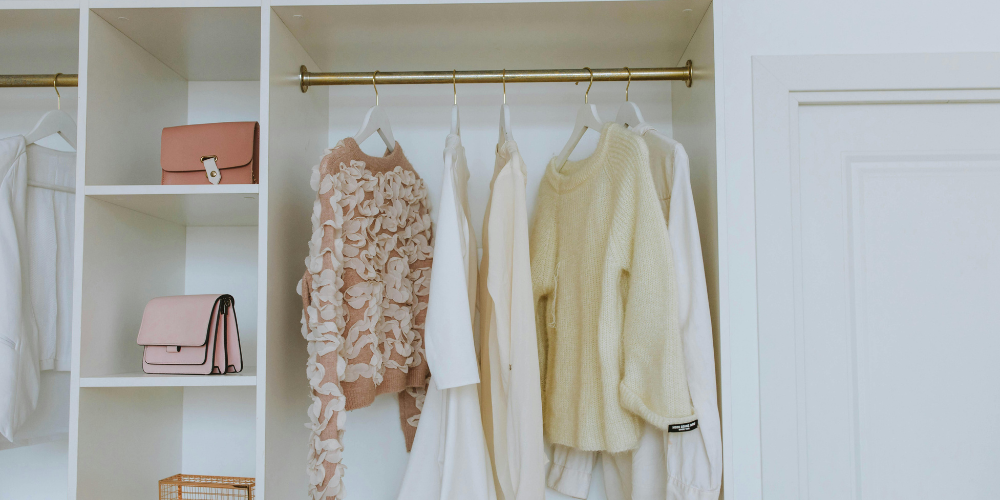
Small walk-in closets are common in older New York apartments and starter homes. They require careful planning. The National Association of Home Builders says closet space is one of the top three features. It greatly impacts home buyers’ choices. Getting organization right matters more than most people realize.
The good news: small walk-in closet organization ideas DIY don’t require demolition. A few budget-friendly tools and a weekend can transform your closet.
Maximize Vertical Space
Most small closets waste the space above eye level. That’s wasted square footage sitting empty every day.
James C. Simms often tells New York clients to look up before buying anything new. Ceiling-height shelving is one of the simplest small walk-in closet organization ideas DIY.
- Install shelves above the hanging rod for off-season storage
- Use stackable bins to keep the top shelf from becoming chaos
- Reserve top shelves for items you grab less than once a month
A stat worth noting: the average American closet is only 6 to 8 feet wide, according to Houzz research, so vertical space often makes up nearly a third of total storage potential.
Try this today and see the difference — even one extra shelf changes everything.
This leads naturally into the next fix: making better use of horizontal hanging space too.
Double Your Hanging Room
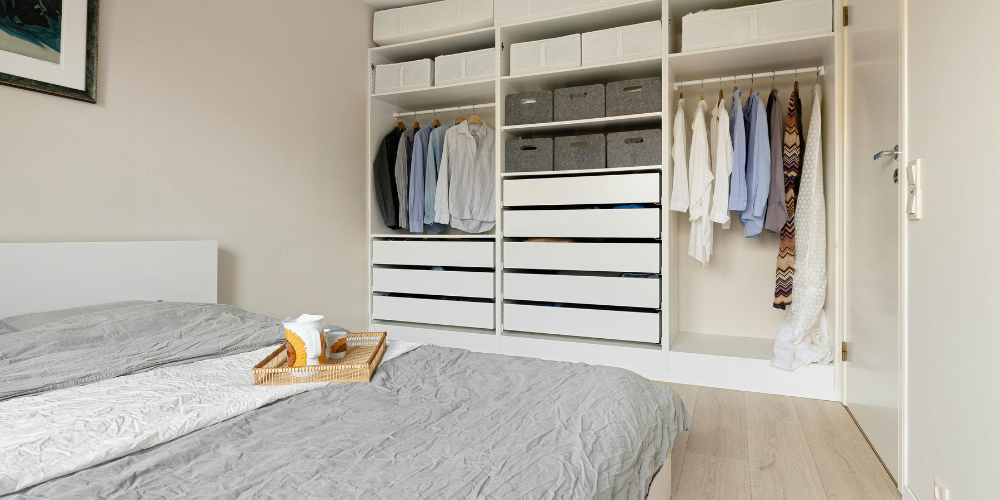
A single hanging rod wastes the space below shorter items like shirts and folded pants.
Adding a second rod under the first is one of the simplest DIY ideas for organizing a small walk-in closet. ClosetMaid and Rubbermaid sell cheap double-rod kits. You can find them at Home Depot and Lowe’s.
- Hang shirts and folded slacks on the top rod
- Use the lower rod for skirts, folded pants, or a second layer of tops
- Keep floor space clear underneath for shoes or bins
James C. Simms suggests this fix for New York clients with narrow closets. It won’t need any wall changes.
Try this today — it takes under an hour and instantly frees up floor space.
Next, let’s talk about what to do with everything that doesn’t hang.
Use Clear Bins for Instant Visibility
Opaque bins hide clutter, but they also hide what you own. That leads to buying duplicates and losing track of items.
Clear bins are popular with professional organizers, like those in Marie Kondo’s method. They let you see what’s inside quickly.
- Use clear bins for accessories, scarves, and belts
- Stack similarly sized bins to save shelf space
- Reserve one bin per category — don’t mix items
The Container Store is a U.S. retailer. They report that clear storage bins are top sellers for closets.
Try this today by swapping just one shelf of opaque boxes for clear ones.
Once you can see what you own, labeling becomes even more powerful — which we’ll cover shortly.
Add Smart Shelving Solutions
Fixed, single-level shelving rarely fits a small walk-in closet’s actual needs. Adjustable shelving fixes that problem.
Wire shelving kits are sold at IKEA and many home improvement stores. They let you change the shelf height to match what you’re storing.
- Install adjustable shelf brackets instead of fixed shelves
- Group shelves closer together for shoes or folded items
- Space shelves farther apart for bulkier items like bags
James C. Simms says adjustable shelving is a top long-term investment for renters. It can be changed to fit different needs.
Try this today by measuring your items before buying shelf kits.
With shelving sorted, seasonal rotation becomes much easier to manage.
Rotate Seasonal Items
Keeping every season’s clothing in the closet at once guarantees overcrowding.
A seasonal rotation system is a smart and often ignored DIY way to organize small walk-in closets. It’s also highly effective.
- Store off-season clothes in vacuum-sealed bags on the top shelf
- Rotate items twice a year, in spring and fall
- Keep only the current season’s clothing at eye level
This shows the advice James C. Simms gives to clients in New York. They have small pre-war apartment closets. Every inch matters.
Try this today by boxing up just your winter coats if it’s summer.
Next, let’s improve visibility so you can actually see what you’re swapping.
Light Up Dark Corners
Dark closets make organization feel harder than it is. You can’t organize what you can’t see clearly.
Battery-powered LED puck lights are cheap and good for renters. They are also simple to install. These lights are a great DIY idea for organizing small walk-in closets.
- Stick LED lights under shelves or in corners
- Choose motion-sensor lights for hands-free convenience
- Avoid installing anything that requires rewiring in a rental
James C. Simms often installs these in rental units in New York. Permanent lighting changes aren’t allowed there.
Try this today — most kits cost under $20 and take five minutes to install.
Better lighting also makes labels far easier to read, which is our next tip.
Label Everything for Easy Access
Even a perfectly organized closet falls apart without labels, especially in shared houseolds.
Labeling is a small step, but it’s a powerful DIY idea for organizing your walk-in closet over the long term.
- Use a label maker for bins, baskets, and drawers
- Label by category, not by individual item
- Involve family members so everyone puts things back correctly
James C. Simms tells clients that labels keep a closet organized. They make the difference between chaos and order.
Try this today with just one shelf as a test run.
Now let’s look at budget-friendly tools you may already own.
Repurpose Everyday Household Items
You don’t need to buy everything new. Many households already own tools that work well in a closet.
This is a budget-friendly DIY idea for organizing a small walk-in closet. It’s a favorite tip from James C. Simms.
- Use tension rods to create extra hanging space
- Repurpose kitchen drawer dividers for closet accessories
- Turn an over-the-door shoe organizer into a jewelry or accessory rack
A survey in 2023 by the American Cleaning Institute found that over 60% of Americans clean their closets. They use items they already have. They do this before purchasing anything new.
Try this today by checking your kitchen drawers before your next shopping trip.
With these fixes combined, your closet is ready for daily use.
Quick Summary
Small walk-in closet organization ideas DIY don’t require a big budget or a contractor. Simple fixes can help a lot. Use double rods. Clear bins work well. Adjustable shelves are great, too. Better lighting makes a big difference. Seasonal rotation and labeling keep the system working long-term.
Key Points Covered:
- Maximize vertical and hanging space first
- Use clear, labeled bins for visibility
- Add affordable lighting for dark corners
- Rotate seasonal items to avoid overcrowding
- Repurpose household items before buying new ones
Frequently Asked Questions
Still have questions about small walk-in closet organization ideas DIY? These are the ones readers ask most often, along with clear, simple answers to help you get started.
What are the best small walk-in closet organization ideas DIY on a budget?
Double rods, tension rods, and repurposed household bins are the cheapest options. Most cost under $30 total. Clear bins and label makers add visibility without a big investment. Vertical shelving above the existing rod also uses space you already have.
How do I organize a small walk-in closet without shelves?
Use hanging organizers, over-the-door racks, and stackable bins on the floor. A second hanging rod also adds storage without needing built-in shelving. Freestanding wire shelving units are another no-install option.
Can I DIY small walk-in closet organization ideas in a rental?
Yes. Tension rods, adhesive hooks, battery-powered lights, and freestanding shelving units require no drilling. These are ideal small walk-in closet organization ideas DIY for renters worried about their security deposit.
How often should I reorganize my closet?
Most professional organizers recommend a seasonal rotation, about twice a year. This stops clutter and helps you keep your DIY organization in a small walk-in closet.
What’s the biggest mistake people make in small closets?
Not using vertical space. Many small closets only use the middle third of their height. The top and bottom often stay cluttered and underused.
Conclusion
DIY ideas for organizing a small walk-in closet show you don’t need much space or money to stay organized. A few smart changes go a long way.
Start with the basics: a second rod, clear bins, and better lighting. These three fixes alone solve most small closet problems.
James C. Simms has seen this play out again and again in New York apartments, where every square foot matters. Small, consistent upgrades beat one expensive overhaul every time.
Try one idea from this post today — even a single shelf or bin makes a difference. Bookmark this guide, and come back as you tackle each area of your closet.


One Comment